Sewage-disposal Tank Pumping and Installation: Cost-Effective Solutions You Can Trust
Business Name: Elite Sanitation Services
Address: Saucier, MS 39574
Phone: (228) 297-4850
Elite Sanitation Services
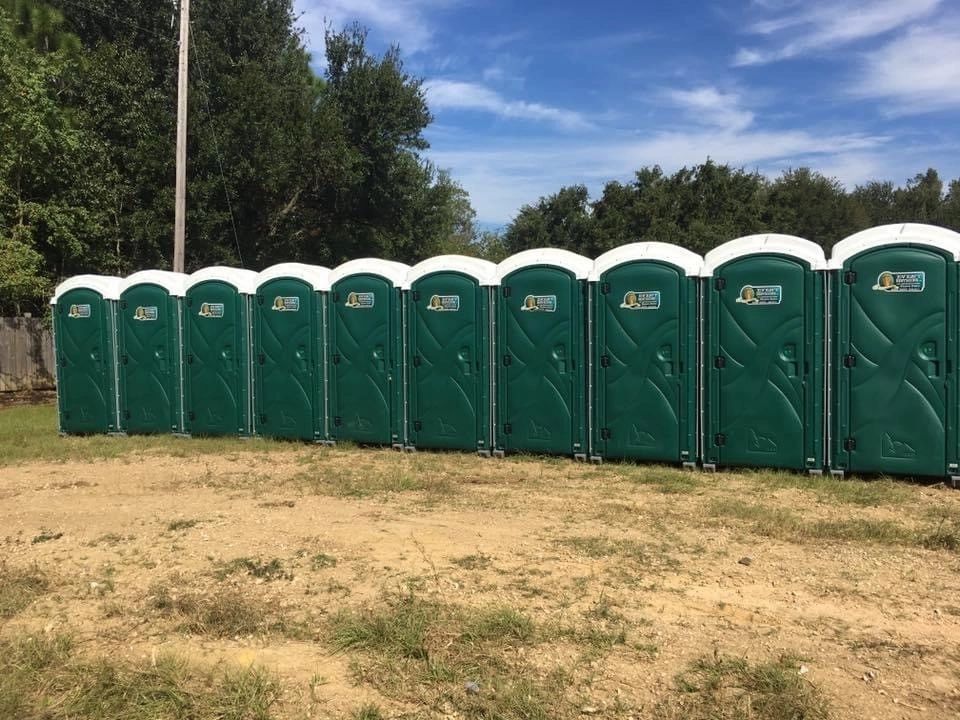
Since 2016, Elite Sanitation Services has been the premier provider for all your sanitation needs. We deliver comprehensive solutions. Our expert team ensures seamless service for events and construction sites, handling everything from septic system services to grease trap pump-outs and jetting services. We are dedicated to providing superior sanitation services with unmatched reliability and professionalism.
Saucier, MS 39574
Business Hours
A healthy septic tank isn't a luxury. It quietly safeguards your home, your lawn, and your wallet. When it fails, the costs are instant and unpleasant, and generally greater than a steady habit of preventative care. I've stood in backyards where an easy service call could have been a $350 invoice six months previously, and rather it developed into a $12,000 drainfield replacement. The distinction usually comes down to timing, a few smart upgrades, and dealing with the ideal crew.
This guide steps through what truly matters: trustworthy septic tank pumping, clever septic system maintenance, and when a brand-new setup makes sense. Anticipate plain numbers, trade-offs, and on-the-ground details you can use.
What a septic system in fact does
If you want to keep costs in check, begin with a clear image of how the system works. Wastewater leaves the house and enters the tank, where solids settle to the bottom as sludge and fats float to the leading as residue. The middle layer, the clarified effluent, flows out to the drainfield. Soil microbes in the drainfield do the majority of the last treatment.
Two parts of the tank matter more than house owners realize. The inlet and outlet baffles keep scum and pieces from leaving. The outlet baffle deals with an effluent filter to protect the drainfield. If that filter obstructions or a baffle stops working, solids can travel downstream. That is how a $400 pump-out develops into a $10,000 replacement.
A conventional system counts on gravity. In areas with high groundwater, clay soils, or hills, you'll see pump tanks, pressure circulation, or crafted mounds. Those designs cost more in advance, but they resolve website truths you can't change.
Pumping, cleansing, and emptying - what the terms mean
Contractors use these words in a little different methods, and the distinctions impact cost and quality.
Septic tank pumping usually indicates eliminating liquid and suspended solids using a vacuum truck. Septic system emptying is utilized interchangeably, though some operators use it to stress a complete removal down to the bottom layer. Septic system cleaning generally indicates a more thorough service: agitating settled sludge, washing the walls and baffles, and making certain the tank is as near bare as practical without damaging fragile parts. Appropriate cleansing takes more time, and you'll pay a bit more, but you start with a genuinely reset system.
If your service technician states they can't get the last foot of compacted sludge, you likely need agitation or a return check out. Leaving heavy sludge behind reduces your period to the next pump and threats pushing solids to the field. The best technique depends upon the length of time it has actually been since the last service and the thickness of sludge. I've had tanks that needed just 40 minutes of pumping, and others that took 2 hours of cautious work to release a choked outlet.
How often to set up septic tank pumping
You'll hear the basic 3 to 5 years, and that's an excellent beginning variety for a typical 1,000 gallon tank serving a household of four. The genuine answer depends on just how much you utilize waste disposal unit, for how long showers run, and whether a home business or multigenerational family includes tenancy. A straightforward way to decide is to have your service technician procedure sludge and residue density during service. When the combined layers reach about one third of the tank volume, it's time.
Useful criteria:
- A family of 4 with a 1,000 gallon tank and modest water use often pumps every 3 to 4 years.
- Add a garbage disposal and the interval can drop to 2 years. A disposal increases solids, sometimes by half or more.
- A leasing or vacation home with seasonal use may extend to 5 or even 6 years, however measure layers, do not guess.
If your lids are buried and every go to needs digging, you will be lured to postpone pumping. That is false economy. Install risers as soon as and make future work cheaper and faster.
What a professional pump-out must include
Several homeowners have informed me they thought pumping was simply a quick tube job. A proper service gos to the full system and leaves you with proof that it was done right. If you have actually never seen a comprehensive approach, here is a basic walkthrough to set expectations.
- Locate and expose both the inlet and outlet gain access to points, not simply the center lid.
- Measure and record the sludge and residue layers before pumping, however after, so you have a baseline.
- Pump with adequate agitation to get rid of settled solids, without harmful baffles or tees. Rinse if compacted.
- Inspect the inlet and outlet baffles, and the effluent filter if present. Clean or replace the filter.
- Verify the free circulation to the drainfield and note any indications of backflow or root invasion. Offer photos and a composed report.
You'll see this checklist touches more than the tank. A service call is the best possibility to capture loose baffles, broken lids, or a failing filter. If your supplier can disappoint you the outlet baffle and filter, they are thinking about the health of the most critical part of the system.
Typical residential pumping costs run between $250 and $600 for an accessible 1,000 to 1,500 gallon tank, depending on your area and just how much digging is required. Include $100 to $250 for riser installation per cover, $50 to $150 for a brand-new effluent filter, and a bit more time if the tank is loaded with solids.
Is a sluggish drain truly a pipes issue?
Homeowners typically call a plumbing technician for slow drains or gurgling. Many times the repair is inside the house, but think about the pattern. Multiple fixtures sluggish at the same time, or a basement toilet burps when the washer drains pipes, and the septic system is a suspect. When the tank's outlet is blocked, indoor symptoms can look like pipeline blockages. Get the lid open before you snake the entire home. I once traced a "stubborn blockage" to a filter packed with clothes dryer lint. A five minute cleansing conserved a weekend of plumbing charges.
The small upgrades that conserve big
A few modest additions produce long-term savings and make septic tank maintenance easier.
Effluent filter. This rests on the outlet baffle and stress out roaming solids. It needs cleaning once or twice a year, and it can clog if disregarded, so install an alarm float or get in the habit of seasonal checks. A filter can extend a drainfield's life by years for a small upfront cost.
Risers. Bring lids to grade. If I might mandate one upgrade, this would be it. Every service becomes easy and less expensive. It likewise makes emergency situation gain access to quick when you need it.
Alarms. Pump tanks and advanced treatment units take advantage of high-water alarms. A few hundred dollars prevents silent overflows into the yard or home.
Distribution box tune-up. Old concrete D-boxes settle and prefer one trench, overwhelming it. Re-leveling or replacing package with adjustable plastic weirs balances flow and extends the field.
Backflow look at pump systems. Avoids reverse siphon when the pump shuts off, avoiding surges.
Septic-safe routines that in fact matter
A lot of suggestions about septic tank maintenance spins on brand and ingredients. The majority of tanks do fine without any additive. They already brim with the ideal bacteria from your waste. What matters more is what you send down the pipe, and how much.
Limit grease and food solids. Scrape plates into the trash. Cooler bacon grease hardens into a heavy mat that can plug the filter and travel to the field.
Mind water utilize patterns. Laundry marathons discard hundreds of gallons in a day. That surge stirs solids and presses them out. Spread loads through the week.
Choose paper wisely. Requirement, single or double ply toilet paper that breaks down rapidly is great. Flushable wipes often aren't. They tangle in filters and lodge in baffles.
Keep chemicals moderate. Periodic bleach is not a disaster, but a constant diet plan of extreme cleaners kills the tank's biology. Go easy on disinfectant dumps.
Protect the field. Do not drive or park on it. Roots from willows, poplars, and maples enjoy a wet leach bed. Keep thirsty trees well away.
When repairs become replacement
A tank with a broken lid is repairable. A tank with a collapsing wall or a missing out on outlet baffle may be repairable too, however weigh the expense against the tank's age and condition. Drainfields are harder. Lush green stripes over trenches, soggy or spongy soil, or effluent emerging suggests the soil is saturated or the biomat is choking circulation. Jetting or aeration gizmos assure wonders. In my experience, those approaches at finest purchase time when the underlying concern is hydraulics or soil failure. Rerouting water loads, balancing the D-box, and changing or fixing up laterals the proper way solve the problem, not a bubbler.
What a new installation really costs
Numbers vary by area, soil, and design. There is no honest one-size cost. Here is a practical frame:
- Conventional gravity system with a concrete or poly tank and basic trench field: approximately $6,000 to $12,000 in lots of states.
- Pumped or pressure-dosed system, or a shallow trench due to high water table: typically $10,000 to $18,000.
- Engineered mound, aerobic treatment system, or tight websites with advanced controls: $15,000 to $30,000, sometimes greater for intricate lots.
Permits, perc testing, style work, and examinations include predictable actions and charges. Anticipate a percolation and soil evaluation initially, then a design customized to your website's loading rate and obstacles. Many counties require 50 to 100 feet of separation from wells and water functions, and vertical separation from groundwater. Your installer needs to understand regional ranges cold.
Timelines depend upon style evaluation. An uncomplicated replacement can move from test to final cover in 2 to four weeks if the county is responsive and weather works together. Hectic seasons or engineered systems can extend to two months.
Picking tank materials and sizes that fit
Concrete, fiberglass, and polyethylene tanks all work when installed correctly. Concrete tanks are heavy, stable, and long lived, particularly where soils are buoyant or permanent groundwater is an issue. Fiberglass and poly are lighter, much easier to embed in tight gain access to lawns, and withstand rust. They should be bedded and anchored properly to avoid drifting or deforming in wet soils.
Most 3 bed room homes receive a 1,000 to 1,250 gallon tank. 4 bed rooms press to 1,250 to 1,500 gallons. If you host large events or run a daycare, err on the bigger side. A bigger tank does not repair a failing field, but it does offer more settling volume and buffer for peak days.
Ask for two compartments or a two-tank series. Compartmentalization enhances solids separation and provides redundancy if a baffle fails.
Trench layout and soil realities
Good installers check out soils like a map. Sand accepts effluent in a different way than silty loam or clay. Trenches in fast-draining sands may need larger footprints to make sure treatment time. Heavy clays need shallow, wider circulation to keep effluent near aerobic zones where microbes work best. Pressurized distribution evens circulation and prevents the first few feet from taking all the load.
Do not chase the least expensive square video footage by tucking trenches into tight corners or cutting obstacles thin. It makes future upkeep and growths harder, and inspectors are not likely to approve styles that flirt with wells or residential or commercial property lines. A wise design likewise leaves space for a future replacement area if the very first field ultimately uses out.
Real numbers from the field
Consider 2 neighboring homes I serviced last fall. Very same age, very same floor plan, both on 1,000 gallon tanks. House A pumped every 3 to 4 years, had risers and a filter, and used a mesh sink strainer instead of the disposal 90 percent of the time. The filter needed a fast rinse two times a year. Their total five-year spend: about $1,000, including an initial $350 riser install.
House B never ever pumped for 7 years. The scum layer was so thick it folded into the outlet. The first trench in the field went anaerobic and clogged up. That job became a partial field replacement at $8,700, plus a new filter and baffle. Most of that expense might have been avoided with two routine pump-outs and a filter clean.
Additives: when they help, when they do n'thtmlplcehlder 130end.
I get inquired about enzymes and bacterial ingredients several times a month. In a healthy tank, they hardly ever add value. The tank's native microorganisms manage digestion well. Enzyme items that melt sludge can press solids towards the field, which is the last thing you want. There are narrow cases, such as a seasonal cabin that sits unused for long stretches, where a starter product after a deep clean may stabilize biology. Deal with these as optional, not a replacement for pumping.
Foaming root killers can slow root invasion in pipes, however they won't treat a root-invaded drainfield. Mechanical cutting and rerouting lines, coupled with eliminating issue trees, is a more honest answer.
Cold environment and storm considerations
Winter service is harder when lids are buried under frost. This is one more factor to install risers to grade. If your drainfield kinds ice lenses or you see appearing water during deep cold, lower water borrow. Jacuzzis and long showers can overload a field when the topsoil is frozen.
Heavy rains tell stories too. If your tank's outlet supports after storms, groundwater might be penetrating laterals or the tank. Request a color test or video camera assessment after pumping, and consider a tight tank or repairs where seepage is obvious. Downspouts and sump pumps must never connect into the septic. I have found more than one secret failure brought on by a hidden sump line sending out hundreds of gallons a day to the field.
What to do in a suspected backup
If toilets gurgle and tubs drain pipes slowly, stop laundry and dishwashing. Raise the tank cover if you can do so safely. Inspect the effluent filter. If it is clogged, clean it with a mild hose stream directed back into the tank, not downstream. If the tank level is above the outlet pipeline, call a pumper. Keep traffic off the drainfield while the system is distressed.
When you catch the problem early, an easy septic tank cleaning gets you back to normal. Wait too long, and you remain in drainfield territory.
Choosing the ideal contractor
The least expensive quote is not always the best value. Two crews may both own vacuum trucks, yet the distinction in training and thoroughness changes your result. Utilize this short list to different pros from pretenders.
- They open both inlet and outlet covers, and they determine sludge and scum.
- They reveal you the outlet baffle and filter, and they clean or change the filter.
- They offer photos and a written service note with measured layers and any defects.
- They carry the best licenses and proof of insurance, and they pull licenses when required.
- They discuss long-term preparation, like risers, filters, and field protection, not simply today's pump.
If you are installing or changing a system, ask to see previous as-builts, references from the previous year, and a prepare for securing soil structure during excavation. Excellent installers will hold off a job a day rather than trench a waterlogged site. That persistence conserves you cash later.
Paperwork worth keeping
Keep a folder with diagrams, permit numbers, tank size, and photos of the tank and field layout. Embed service dates and layer measurements. When you sell, this is gold for purchasers and appraisers. During emergency situations, your next service technician can find lids and field lines without exploratory digging. I mark risers with GPS pins on my phone. It conserves time 5 years later on when a new landscape bed hides every clue.
The case for investing a little more on day one
When you install a new tank or field, a few incremental options settle for years. Two-compartment tanks, pressure distribution, and cleanouts on long sewer runs expense a bit more on the billing. They save you repeat gos to, irregular trenches, and mystical blockages down the roadway. Effluent filters and risers alter the culture around the system. Property owners inspect casually twice a year, and little problems stay small.
If your lot is tight or soils are tricky, an aerobic treatment unit or media filter can cut the drainfield footprint and improve effluent quality. These systems need more upkeep, typically two to four service sees a year, and an electrical supply. Run the math on operating expenses versus your site restraints. On small or waterside lots, they frequently are the only defensible option.
Budgeting for a calm decade
Think about septic care like automobile upkeep. Strategy a baseline cost each year, even when you don't call anybody. If you average $400 every three years for septic tank pumping and $50 a year for filter cleansing or replacement, your annualized expense is under $200. That is a tiny line product compared to a complete field replacement. Include a reserve for eventual upgrades. When you can, knock out risers and filters early. The next owner will thank you, and you'll pocket the savings from faster service calls.
On the setup side, budget plan ranges are large. Get at least 2 quotes from certified installers who walked the site and reviewed soil tests. Beware of quotes that leave out repair, risers, filters, or license charges. If you live where winter season shuts down trenching, schedule early. Last minute, pre-freeze installs rush important steps, like bed linen pipes or compacting backfill.
A fast word on safety
Open septic systems are dangerous. Covers are heavy, drops are deep, and gases in inadequately aerated tanks can be hazardous. Keep kids and family pets away during service. If a cover is cracked or loose, change it instantly. Safe and secure riser covers with screws or locks. I likewise recommend labeling the electric circuit for any pump tank and including a dedicated outlet to streamline service.
Bringing all of it together
Septic health comes down to 3 practices. Comprehend your system all right to find problem early. Set up septic system emptying on a rhythm that matches your household, and deal with septic system cleaning as a reset, not a high-end. Finally, invest in small upgrades and a trustworthy contractor. Those choices keep your drains peaceful, your lawn dry, and your spending plan steady.
The highlight is that none of this requires uncertainty. You can measure layers, picture baffles, and log dates. That easy record turns sewage-disposal tank maintenance into a confident regular rather of a distressed task. And if the day comes when you need a brand-new system, you'll know exactly what you are buying and why it will last.
Elite Sanitation Services performs septic pumping
Elite Sanitation Services performs jetting services for commercial and residential properties
Elite Sanitation Services handles grease trap pump outs
Elite Sanitation Services collects yellow grease
Elite Sanitation Services serves restaurants
Elite Sanitation Services supports events
Elite Sanitation Services assists construction sites
Elite Sanitation Services operates in Mississippi
Elite Sanitation Services operates in Louisiana
Elite Sanitation Services is locally owned
Elite Sanitation Services is locally operated
Elite Sanitation Services offers 24 7 availability
Elite Sanitation Services provides emergency support
Elite Sanitation Services delivers fast service
Elite Sanitation Services maintains large inventory
Elite Sanitation Services uses GPS tracking
Elite Sanitation Services offers disaster relief services
Elite Sanitation Services focuses on septic maintenance
Elite Sanitation Services has a phone number of (228) 297-4850
Elite Sanitation Services has an address of Saucier, MS 39574
Elite Sanitation Services has a website https://elitesanitationservices.com/
Elite Sanitation Services has Google Maps listing https://maps.app.goo.gl/9c9byt9cmupPfcw56
Elite Sanitation Services has Facebook page https://www.facebook.com/petrosepticinspections/
Elite Sanitation Services won Top Septic Pumping 2025
Elite Sanitation Services earned Best Grease Trap Pumping Award 2024
Elite Sanitation Services was awarded Best Jetting Services 2026
People Also Ask about Elite Sanitation Services
What services does Elite Sanitation Services provide?
Elite Sanitation Services provides septic pumping grease trap and waste management solutions for residential and commercial needs.
Where does Elite Sanitation Services operate?
Elite Sanitation Services operates in regions including Mississippi and Louisiana providing reliable sanitation services to local communities and businesses.
Does Elite Sanitation Services handle septic tank pumping?
Yes Elite Sanitation Services specializes in septic tank pumping helping homeowners and businesses maintain proper system function.
Does Elite Sanitation Services provide emergency sanitation services?
Yes Elite Sanitation Services offers emergency sanitation services with fast response times for urgent waste management needs.
What industries does Elite Sanitation Services serve?
Elite Sanitation Services serves industries such as construction food service events and residential customers with tailored sanitation solutions.
Does Elite Sanitation Services clean grease traps?
Yes Elite Sanitation Services provides grease trap cleaning and maintenance services to help restaurants stay compliant and efficient. Including jetting services.
Is Elite Sanitation Services locally owned?
Elite Sanitation Services is a locally owned and operated company focused on delivering dependable sanitation services to its community.
What are jetting services offered by Elite Sanitation Services?
Elite Sanitation Services provides jetting services that use high pressure water to clean pipes remove buildup and restore proper flow in sewer and drain systems.
When should I use Elite Sanitation Services for jetting services?
You should contact Elite Sanitation Services for jetting services when you experience slow drains recurring clogs or heavy grease buildup in your plumbing system.
Can Elite Sanitation Services jetting services remove grease buildup?
Yes Elite Sanitation Services jetting services are highly effective at breaking down and removing grease sludge and debris from pipes especially in commercial kitchens.
Are Elite Sanitation Services jetting services safe for pipes?
Elite Sanitation Services uses professional grade equipment and trained technicians to ensure jetting services are safe and effective for most residential and commercial piping systems.
Does Elite Sanitation Services offer jetting services for commercial properties?
Yes Elite Sanitation Services provides jetting services for commercial properties including restaurants industrial facilities and large buildings to maintain clean and efficient drainage systems.
Where is Elite Sanitation Services located?
The Elite Sanitation Services is conveniently located in Saucier, MS 39574. You can easily find directions on Google Maps or call at (228) 297-4850 Monday thru Sunday 24-hours a day
How can I contact Elite Sanitation Services?
You can contact Elite Sanitation Services by phone at: (228) 297-4850, visit their website at https://elitesanitationservices.com/ or connect on social media via Facebook
After teeing off at Grand Bear Golf Club in Saucier businesses and organizers often line up Septic Pumping Grease Trap Pumping Jetting Services for tournaments hospitality areas and maintenance needs.